Showing posts with label Space mission. Show all posts

Sunday, August 04, 2024

Time Management for Students and Professionals

Welcome to the 2nd Month. In this month, I am going to write the articles which are focused on Productivity and Growth


⏳ 

In a world of deadlines, distractions, and digital overload, managing time isn’t just a skill—it’s a survival strategy. Whether you're a student juggling coursework and internships or a professional balancing client work and personal growth, mastering time management can transform your productivity and peace of mind.

🧭 Why Time Management Matters

  • Reduces stress and burnout
  • Improves focus and creativity
  • Helps meet academic, professional, and personal goals
  • Builds discipline and confidence

🛠️ 7 Practical Strategies to Manage Time Effectively

1. 🎯 Prioritize with Purpose

Use the Eisenhower Matrix to categorize tasks:

  • Urgent & Important
  • Important but Not Urgent
  • Urgent but Not Important
  • Neither Urgent nor Important

💡 Tip: Start your day with the top two priorities. Let the rest follow.

2. 📆 Plan Weekly, Act Daily

Set aside 30 minutes every Sunday to plan your week. Break big goals into daily actions.

Tools to try:

  • Google Calendar
  • Notion or Trello
  • Physical planners with time blocks

3. ⏱️ Use Time Blocks

Divide your day into focused work sessions (e.g., 90 minutes) followed by short breaks.

Popular methods:

  • Pomodoro Technique (25 min work + 5 min break)
  • Deep Work blocks (2–3 hours distraction-free)

4. 🧘‍♂️ Protect Your Energy

Schedule demanding tasks when your energy is highest (morning for most people). Reserve afternoons for meetings or creative work.

💡 Tip: Track your energy levels for a week to find your peak productivity window.

5. 📵 Minimize Distractions

Turn off notifications. Use apps like Forest, Focus Keeper, or Freedom to stay on track.

Design student hack: Keep your phone in grayscale mode during studio hours—it reduces screen temptation.

6. 🧩 Batch Similar Tasks

Group similar tasks (emails, grading, research) and tackle them in one go. It reduces mental switching and saves time.

7. 🔁 Reflect and Adjust

At the end of each week, ask:

  • What worked well?
  • What felt rushed or draining?
  • What will I change next week?

📍 Tip: Keep a “Time Journal” for 7 days to spot patterns and leaks.


🧠 Bonus Tips for Design Students & Creative Professionals

  • Use visual planners or sticky-note walls to map deadlines and deliverables.
  • Schedule “creative incubation” time—unstructured hours for sketching, ideation, or exploration.
  • Build in buffer time before critiques, submissions, or presentations.
  • Track time spent on each project to improve future estimates.

🚀 Final Thought

Time management isn’t about squeezing more into your day—it’s about making space for what matters. With the right tools and mindset, you can design a life that’s productive, balanced, and deeply fulfilling.


Sunday, May 05, 2024

Crafting Your Career Vision: A Roadmap to Professional Fulfillment


In today’s fast-paced world, having a clear career vision is crucial for long-term success and personal fulfillment. A career vision serves as a guiding star, helping you navigate the complexities of your professional journey, make informed decisions, and stay motivated even in challenging times. But what exactly is a career vision, and how can you create one that truly resonates with your aspirations? Let’s explore.

What is a Career Vision?

A career vision is a long-term picture of what you want to achieve in your professional life. It’s an aspirational statement that defines your career goals, the values you want to uphold, the impact you wish to make, and the lifestyle you aim to lead. Unlike short-term goals, which focus on immediate achievements, a career vision encompasses your ultimate career objectives and the path you want to take to reach them.

Key Elements of a Career Vision

  1. Purpose: Your overarching reason for pursuing your career—what drives you and what you want to contribute to your field or society.
  2. Values: The principles and ethics that guide your professional decisions and actions.
  3. Goals: The specific achievements you aim to accomplish in your career, such as reaching a leadership position, becoming an expert in your field, or making a significant impact.
  4. Lifestyle: The type of work-life balance, financial stability, and personal fulfillment you seek through your career.

How to Create Your Career Vision

Creating a career vision requires thoughtful planning and self-reflection. Here’s how you can plan your career vision effectively:

  1. Reflect on Your Passions and Interests: Start by considering what truly excites and motivates you. What are you passionate about? What kind of work do you find most fulfilling? Reflecting on your interests can help you identify the areas where you want to focus your career.

  2. Assess Your Strengths and Skills: Evaluate your strengths, skills, and experiences. What are you good at? What unique abilities do you bring to the table? Understanding your strengths will help you identify the career paths that align with your capabilities.

  3. Define Your Long-Term Goals: Think about where you want to be in the next 5, 10, or 20 years. What positions do you aspire to hold? What accomplishments do you want to achieve? Defining your long-term goals gives you a clear target to work towards.

  4. Create a Vision Statement: Write a concise statement that encapsulates your career vision. This statement should inspire and energize you, serving as a constant reminder of what you are working towards.

Real-Life Examples and Quotes

To make this more relatable, let’s look at some real-life examples and quotes from successful individuals who have crafted and followed their career visions:

  1. Elon Musk: Known for his ambitious vision of making human life multi-planetary, Musk’s career vision has driven his ventures like SpaceX and Tesla. He once said, “When something is important enough, you do it even if the odds are not in your favor.”

  2. Oprah Winfrey: Oprah’s career vision was to create a platform that would inspire and empower people. Her journey from a news anchor to a media mogul is a testament to her vision. She famously said, “Create the highest, grandest vision possible for your life, because you become what you believe.”

  3. Indra Nooyi: The former CEO of PepsiCo had a clear vision of transforming the company into a more health-conscious and environmentally friendly organization. Her leadership and vision led to significant changes in the company’s product portfolio and sustainability practices. She said, “The distance between number one and number two is always a constant. If you want to improve the organization, you have to improve yourself and the organization gets pulled up with you.”

Putting Your Career Vision into Action

Once you have a clear career vision, the next step is to put it into action. Here are some strategies to help you turn your vision into reality:

  1. Set Milestones: Break down your long-term goals into smaller, manageable milestones. This makes it easier to track your progress and stay motivated.

  2. Develop a Plan: Create a detailed plan outlining the steps you need to take to achieve your milestones. This plan should include timelines, resources, and any additional skills or knowledge you need to acquire.

  3. Stay Flexible: Be prepared to adapt your plan as circumstances change. Flexibility is key to navigating the inevitable challenges and opportunities that will arise along your career path.

  4. Seek Support: Surround yourself with mentors, peers, and professionals who can provide guidance, support, and encouragement. Networking and building relationships within your industry can open doors and provide valuable insights.

  5. Review and Revise: Regularly review your career vision and progress. Make adjustments as needed to ensure that your vision remains aligned with your evolving goals and aspirations.

Conclusion

A well-defined career vision provides clarity and direction, helping you align your daily actions with your long-term aspirations. By taking the time to reflect on your passions, assess your strengths, and define your goals, you can create a career vision that inspires and energizes you. Remember, your career vision is not set in stone; it should evolve as you grow and develop professionally. Stay committed to your vision, and you will be well on your way to achieving a fulfilling and successful career.

Wednesday, November 22, 2023

A Career in IoT: Embark on a Journey into the Connected Future


The Internet of Things (IoT) is rapidly transforming our world, connecting billions of devices and creating a vast network of interconnected data. This revolutionary technology is opening up a plethora of career opportunities for individuals with the right skills and knowledge. If you're passionate about technology, innovation, and the potential to shape the future, a career in IoT might be the perfect path for you.

<script async src="https://pagead2.googlesyndication.com/pagead/js/adsbygoogle.js?client=ca-pub-5422740946873574"
     crossorigin="anonymous"></script>
<ins class="adsbygoogle"
     style="display:block"
     data-ad-format="fluid"
     data-ad-layout-key="-gs-1f-c-9h+s3"
     data-ad-client="ca-pub-5422740946873574"
     data-ad-slot="9497913549"></ins>
<script>
     (adsbygoogle = window.adsbygoogle || []).push({});
</script>

What is IoT?

IoT refers to the network of physical objects or "things" embedded with sensors, software, and other technologies that enable them to connect and exchange data. These devices can range from smartphones to smart home appliances, industrial machinery, and even wearable devices. The data collected from these devices can be analyzed to gain insights, improve processes, and create new services.

Source: adaptit.tech


Diverse Career Opportunities in IoT

The IoT industry encompasses a wide spectrum of roles, offering diverse career paths for individuals with varied interests and expertise. Here are some of the key areas in which you can build a career in IoT:

  • IoT Software Development: IoT software developers design, develop, and test software that enables IoT devices to communicate, collect data, and perform their intended functions. They may specialize in embedded systems, cloud computing, or mobile app development.

  • IoT Security: IoT security professionals are responsible for protecting IoT devices, networks, and data from cyberattacks. They possess expertise in cybersecurity principles, risk assessment, and penetration testing.

  • IoT Data Analytics: IoT data analysts collect, analyze, and interpret the vast amounts of data generated by IoT devices. They use their skills in data mining, machine learning, and statistical analysis to extract meaningful insights and inform decision-making.

  • IoT Solutions Architect: IoT solutions architects design, plan, and implement IoT solutions for various industries. They possess expertise in IoT technologies, networking, and business process optimization.

  • IoT Project Management: IoT project managers oversee the planning, execution, and delivery of IoT projects. They manage resources, coordinate tasks, and ensure projects meet deadlines and budget constraints.

<script async src="https://pagead2.googlesyndication.com/pagead/js/adsbygoogle.js?client=ca-pub-5422740946873574" crossorigin="anonymous"></script> <ins class="adsbygoogle" style="display:block" data-ad-format="fluid" data-ad-layout-key="-gs-1f-c-9h+s3" data-ad-client="ca-pub-5422740946873574" data-ad-slot="9497913549"></ins> <script> (adsbygoogle = window.adsbygoogle || []).push({}); </script>

Skills Required for a Successful IoT Career

To thrive in the IoT industry, you'll need a combination of technical and soft skills:

  • Technical Skills:
  • Programming Languages (e.g., Python, Java, C++)
  • Embedded Systems
  • Networking
  • Cloud Computing
  • Data Analytics
  • Security
  • Soft Skills:
  • Problem-solving
  • Analytical thinking
  • Communication
  • Teamwork
  • Creativity
  • Adaptability

<script async src="https://pagead2.googlesyndication.com/pagead/js/adsbygoogle.js?client=ca-pub-5422740946873574" crossorigin="anonymous"></script> <ins class="adsbygoogle" style="display:block" data-ad-format="fluid" data-ad-layout-key="-gs-1f-c-9h+s3" data-ad-client="ca-pub-5422740946873574" data-ad-slot="9497913549"></ins> <script> (adsbygoogle = window.adsbygoogle || []).push({}); </script>

Educational Background for IoT Careers

While there is no specific degree requirement for a career in IoT, a strong foundation in computer science, electrical engineering, or a related field is highly desirable. Many universities and colleges offer IoT-specific programs, providing students with the necessary skills and knowledge to succeed in this field.

The Future of IoT Careers

The IoT industry is expected to continue growing at an exponential rate, creating numerous job opportunities in the years to come. As IoT technology becomes more integrated into our lives, the demand for skilled professionals will only increase.

Embark on Your IoT Career Journey

If you're considering a career in IoT, there's no better time than now to start preparing. Enroll in relevant courses, gain hands-on experience through internships or projects, and network with industry professionals to stay ahead of the curve. With dedication, hard work, and a passion for technology, you can embark on a fulfilling career in this exciting and rapidly evolving field.

Thursday, August 31, 2023

ADITYA | 1 - ISRO 's Mission to Study Sun's Atmosphere

After the successful launch of Chandrayaan 3, ISRO is finalizing for another marvel in space exploration ADITYA 1 - the robotic explorer - for exploration near the SUN's vicinity. It is slated to launch at 11:50 September 02 (Today).
(image source: ISRO website) 

Key objectives and features of ADITYA | 1 mission are:
1. It will be stayed at around 1.5% of Earth's distnace from sun i.e. nearly 1.5 million km away from Earth, and directed towards the Sun at L1 point.
2. It will study the outer atmosphere and solar radiation of Our Solar star, Sun, which is a giant gaseous celestial body.
3. Through out the mission, it will neither approach towards the Sun nor try to land over it.
4. With this study, the effect of solar radiation on earth and our other electronic system is going to be observed.
(image source: ISRO website)


According to ISRO latest tweet, the launch can be watched LIVE 
ISRO's Facebook handle, ISRO's youtube handle, and DD National TV channel from 11:20 Hrs. IST

All the Best ISRO team.

Friday, July 14, 2023

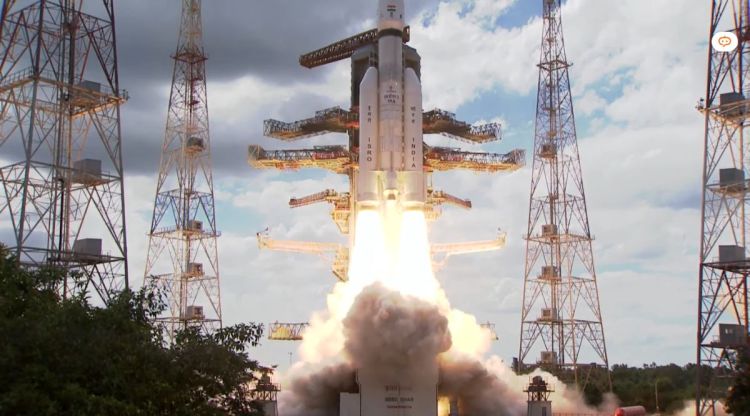
Third Lunar Mission to Moon by India - CHANDRAYAAN 3


Congratulations to VSSC, SAC, and other ISRO teams who worked tirelessly towards this mission - Chandrayaan -3 mission - which scripted the history of Indian Space Science.


: Image Courtesy (Indianexpress.com)

Launched from Satish Dhawan Space Station, Shriharikota at 1435 (IST) today (14 July 2023); it adds another jewel in the ISRO missions. Specifications of the project are:
  1. Powerful rocket—the Launch Vehicle Mark-III. 
  2. Powered by - two S2000 solid rocket boosters
  3. The L110 liquid stage becomes functional once the solid boosters separate. 
  4. After the separation of the liquid stage - CE25 cryogenic stage will power the vehicle.
  5. A Lunar lander - 'Vikram' and 
  6. A Lunar rover - 'Pragyan'. 
After the lessons learned from the previous missions, especially, Chandrayaan - 2 which had become unsuccessful in the very last hour when due to slight miscalculations, the rover crashed and connections were lost with that. Before that, ISRO carried out its maiden - 
  • Lunar orbiting mission Chandrayaan-1 (2008), and 
  • its maiden Mars orbiting mission (2013). 

India might become the 4th country if the rover will successfully land on the south pole of the moon after a 42 days journey on the 23rd or 24th of August 2023. Before that only USA, Russia (erstwhile USSR) and China are the countries who did it earlier, with China being only able to successfully land on its first attempt.

Good Luck ISRO, for the mission and success.

Sunday, December 25, 2022

Space Debris - how deadly is it?


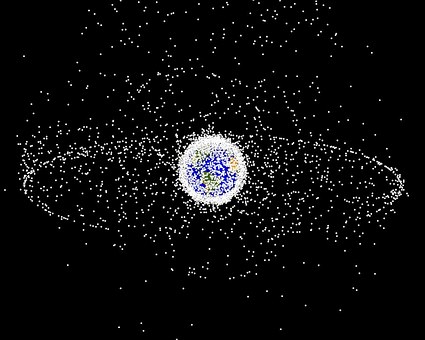
How fascinating is this image?

Do you know what is this?
.
.
.
These are the very small particles or debris of objects which floats in space at a staggering speed of a few hundred kilometer/s. And you know, they are so faster than they can even destroy the satellite or other objects which come in their path (even with a small size of 10 cm).

<head>
<!-- Google tag (gtag.js) --> <script async src="https://www.googletagmanager.com/gtag/js?id=AW-325136247"></script> <script> window.dataLayer = window.dataLayer || []; function gtag(){dataLayer.push(arguments);} gtag('js', new Date()); gtag('config', 'AW-325136247'); </script>

Space exploration led to the many advantages and development of technologies that are beneficial for humans. But the one thing which is a matter of concern is that it will also lead to the generation of waste in space. We, human beings, neither bother about the Earth's environment nor do we concerned about the space near the Earth's atmosphere or outside space.

And as space travel becomes a reality, with the entrance of private players like SpaceX, Blue Orange, and Virgin Galactic chances of more debris in space are higher.

There is a need to tackle this issue with great concern and utmost priority otherwise the boom we are getting with space exploration and satellites will become a bane in the near future.

From Leaks to Legacy: Exploring the Plumber’s Profession

  A  career as a plumber is one of the most practical, stable, and rewarding trades, offering opportunities in residential, commercial, and ...